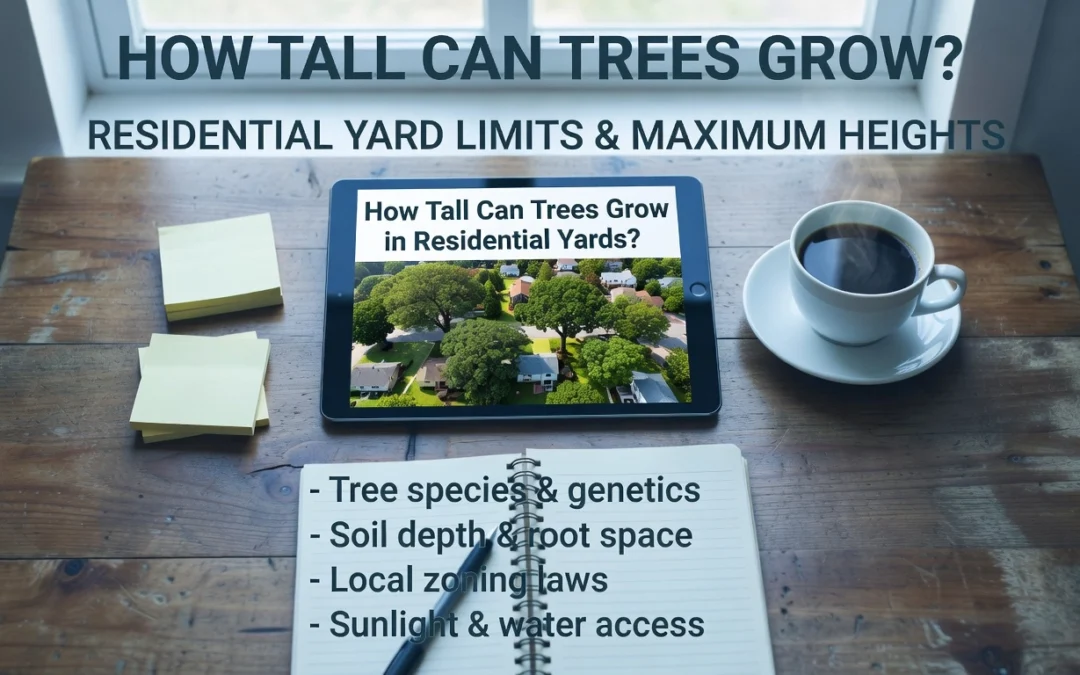
Have you ever stood in your backyard, gazing up at a young sapling and wondering just how massive it could become? Maybe you’ve seen those towering trees next door that seem to touch the clouds, and now you’re dreaming of one in your own yard. It’s a fun thought, right? But reality hits when you consider power lines, fences, and that cozy suburban space.
That’s where tree height in residential areas comes into play. As a beginner gardener or homeowner, you might not realize there are real limits to how tall trees can grow in your neck of the woods. Factors like soil quality, climate, species choice, and even local rules all dictate the maximum height your trees can reach without causing headaches.
In this analysis, we’ll break it all down simply. You’ll discover the tallest trees that thrive in typical yards, common height caps set by neighborhoods, and smart tips to pick the perfect size for your space. By the end, you’ll feel confident planting that dream tree, knowing exactly how high it can go. Stick around, you’ve got this!
Kitsap County Regulations on Residential Tree Heights
When it comes to tree height in residential areas here in Kitsap County, you might expect hard rules like “no trees over 50 feet,” but that’s not the case. Local regulations, outlined in Title 17.495 of the Kitsap County Code, skip strict maximum height limits. Instead, they zero in on preserving overall tree canopy density through a smart “tree unit credits” system based on a tree’s diameter at breast height (DBH), measured 4.5 feet up the trunk. For instance, a healthy tree with 1-8 inches DBH earns 1 credit, while 8-12 inches gets 1.5 credits, scaling up to 5.5 for giants over 36 inches. This encourages keeping mature trees, especially those over 18 inches DBH, for benefits like stormwater control and habitat. Developers in urban growth areas must hit zone-specific targets, such as 20 credits per acre in low-residential zones, often met by retaining just a few big trees rather than planting dozens of small ones.
Landscaping Rules for New Builds
New residential developments face minimum landscaping standards under Title 17.500, requiring at least 15% of the site in greenery. Street trees must start at a 2-inch caliper, shrubs 12-18 inches tall, pushing for long-term canopy growth. Retention of healthy trees over 18 inches DBH is prioritized over removal, as they provide instant credits and ecological perks. Picture a 7,500-square-foot lot needing about 3.5 credits: one 24-inch DBH tree (3 credits) plus a smaller one does the trick, verified by a certified arborist.
Permits and Sensitive Zones
Permits kick in for clearing over 2 acres or in critical areas like riparian buffers, where site potential tree height (SPTH) models guide setbacks. For Douglas firs, this often means 100-200 feet from streams to protect habitats. Everyday pruning or removing hazard trees near your home usually skips permits if under 5,000 board feet and done by pros. Studies show a 10% canopy boost can cut neighborhood crime by 12%, underscoring why Kitsap pushes retention amid storm risks.
If tall trees worry you, consult local experts for assessments, pruning to under one-third canopy height, or safe removal. Check the county’s Tree Canopy Requirements brochure for details. Proactive care keeps your property safe and compliant.
Handling Overhanging Branches and Neighbor Issues
Dealing with overhanging branches from a neighbor’s tall tree can feel like a headache, especially in Kitsap County where 50-foot firs are common sights in residential areas. Washington state law offers a clear solution through the self-help rule: you can trim encroaching branches or roots back to your property line without trespassing or needing permission, as long as you stay on your side and avoid damaging the tree itself. This means using proper cuts that follow arborist standards, like those from ANSI A300, to prevent stress or instability. For instance, if needles are piling up on your roof or roots are cracking your fence, you have the right to act, but going overboard could lead to treble damages under RCW 64.12.030. Check out this detailed Washington guide on tree overhang for more specifics.
That said, tree height alone, even for towering 50-foot firs near boundaries, doesn’t break any laws in residential zones. Issues arise only if the tree poses a real safety risk, like deadwood or lean that could topple onto your property during a storm, potentially sparking a nuisance claim. Courts look at verifiable hazards, not just size, since these native trees are built for our windy climate. Data shows tree care jobs have a 15 times higher fatality rate than average industries, underscoring why pros handle tall trees near edges.
The best approach? Chat with your neighbor first to avoid disputes; suggest sharing costs for pruning to keep branches 10-15 feet from fences and structures. Companies like Lefler Tree Service, with over 35 years in Kitsap, excel at safe, precise pruning that maintains healthy trees and peace. This proactive step aligns with trends like increased storm prep, preventing costly emergencies down the line.
Safety Risks of Tall Trees in Residential Settings
Tall trees in residential areas can be a double-edged sword. They provide shade and beauty, but their height often brings serious safety risks, especially during Kitsap County’s windy storms. Imagine a 50-foot fir toppling onto your roof or power lines; that’s not just a nightmare scenario, it’s a common claim on homeowners insurance. Falling branches can damage siding, clog gutters causing leaks, and even uproot foundations if roots spread too far. Weakened trees from age, disease, or poor placement fail more easily in high winds, leading to property damage or injuries. Proactive care like pruning and risk assessments is key to preventing these issues.
The ‘Right Tree, Right Place’ Principle
To avoid these hazards, always follow the “right tree, right place” principle when planting or evaluating tree height in residential areas. Choose species with mature heights under 25 feet near power lines to prevent outages or fires from overgrown branches. For homes, plant large trees over 40 feet away to reduce storm failure risks, root upheaval, and overhang problems. For example, a medium 30-foot maple should sit at least 20 feet from your house. This simple rule, backed by experts like the Arbor Day Foundation, saves headaches down the line. If you have existing tall trees too close, consider professional pruning or shaping from a trusted service like Lefler Tree Service.
Tree care itself is risky business. The industry has a fatality rate 15 times higher than average jobs, per Bureau of Labor Statistics 2020 data, due to falls, struck-by limbs, and electrical hazards common with tall residential trees. Yet, the benefits shine through: a 10% boost in tree canopy cover correlates with a 12% drop in neighborhood crime rates, according to USDA Forest Service research. More greenery deters break-ins and fosters community safety.
Balance these by scheduling storm prep pruning or emergency assessments. Your local family-owned experts have handled Kitsap’s giants safely for over 35 years. For tips on preventing tall tree damage, check 6 ways tall trees can damage your home or overgrown branches risks. Stay safe and enjoy your trees.
Pruning Guidelines and When Permits Matter
Pruning Guidelines for Healthy Trees
When managing tree height in residential areas, smart pruning keeps your trees strong without causing harm. Stick to the one-third rule: never cut more than one-third of the canopy in a single session. This prevents stress that could weaken the tree, invite pests, or lead to failure during storms. For instance, in Kitsap County yards with towering firs, gradual cuts using drop-crotch methods reduce height by just a couple feet yearly while maintaining natural shape. It’s perfect for storm prep, thinning weak branches to cut wind resistance, and shaping canopies away from roofs or power lines. Young trees handle up to 25 percent removal, but mature ones need even less, around 10 percent, to stay vigorous.
Professionals follow species-specific timing, like late winter for most evergreens, to minimize disease risk. Overdoing it leads to weak sprouts or decay, as trees rely on leaves for energy. Actionable tip: inspect for V-crotches or deadwood first, and hire certified arborists for anything over 30 feet tall. Check out detailed techniques here.
Permits and Emergency Removals
In Kitsap County, most residential tree removals skip permits unless you’re in critical areas like wetlands or clearing public rights-of-way. Title 17.495 focuses on preserving canopy density, not heights, so small lot work stays simple. Post-storm, if a tall tree leans dangerously, pros handle emergency removal without upfront paperwork; just document for retroactive approval.
Preservation Trends Ahead
Global trends point to 20 percent urban canopy growth by 2026, per Farmonaut projections, stressing targeted pruning over chopping mature trees. This boosts resilience in places like our county. Teams like Lefler Tree Service excel here, offering pruning, shaping, and safe removals with 35 years of local know-how. Ready to assess your yard?
Benefits of Mature Trees and Emerging Trends
Mature trees in residential areas, often towering well over 40 feet, deliver outsized benefits that younger ones simply can’t match. Their expansive canopies provide superior cooling through shade and evapotranspiration, dropping nearby temperatures by 0.04 to 0.57°C for every 1% increase in canopy cover, according to recent urban forestry studies trees excel in cooling urban areas. They also excel at stormwater management, intercepting up to 21% of rainfall and storing over 100 gallons per tree, which cuts runoff by as much as 65% in neighborhoods. Plus, these giants build climate resilience by sequestering carbon, stabilizing soil during storms, and reducing heat-related risks by up to 22% in modeled scenarios leveraging urban tree canopies for resilience. In Kitsap County, retaining these trees pays off literally: regulations under Title 17.495 offer “tree unit credits” at 1.5 times the value for trees over 8 inches DBH, easing compliance for larger, healthier specimens and rewarding preservation over removal.
Looking ahead to 2026 trends, tech like street-level imagery from tools such as Google Street View is revolutionizing tree health tracking in residential zones. Studies in places like Philadelphia show 92.5% survival rates for young street trees dropping to 77% over four years, with imagery spotting issues tied to impervious surfaces early. This supports equitable canopy distribution, targeting underserved areas for 20% global urban growth projections and “Tree Equity Scores.”
That’s where professional services shine. Experts conduct risk assessments, precise pruning (limiting cuts to under one-third canopy), and shaping to keep tall trees safe, boost property values by 5-15%, and navigate regulations hassle-free. For storm-prone Kitsap, proactive maintenance from trusted locals like Lefler Tree Service prevents disasters while maximizing these perks.
Key Takeaways for Managing Tree Heights
First, take stock of your trees’ mature heights compared to nearby structures, power lines, and property lines. Research the “site potential tree height” (SPTH) for species like Douglas fir, which can exceed 100 feet in Kitsap’s critical areas; check Kitsap County Code Title 19.300 for details. When planting, follow the “right tree, right place” principle: choose species under 25 feet tall near overhead lines to prevent future hazards and costly removals.
Next, handle overhanging branches legally by trimming back to your property line without damaging the tree, as Washington law allows self-help but prohibits trespassing. Prune proactively to reduce storm risks, always limiting cuts to less than one-third of the canopy to avoid stressing the tree. This simple step can prevent neighbor disputes over 50-foot giants and minimize damage during Kitsap’s windy weather.
For high-risk tall trees, schedule professional assessments; tree care has a 15x higher fatality rate than average industries, so leave it to experts. Preserving canopy cover boosts benefits: a 10% increase correlates with 12% lower crime rates. Contact Lefler Tree Service for pruning, removal, or evaluations to keep your yard safe, compliant, and resilient.
Conclusion
In wrapping up, remember these key takeaways: residential tree heights are capped by factors like soil quality, climate, species selection, and local regulations, often limiting mature growth to 20-50 feet in suburban yards. Opt for compact varieties such as Japanese maples or dogwoods that thrive without overwhelming your space. Always check neighborhood height rules to sidestep fines or maintenance hassles. Finally, prioritize mature size when planting to ensure long-term harmony with power lines, fences, and foundations.
This guide arms you with the knowledge to make smart choices, turning your backyard dreams into reality without regrets. Head to your local nursery today, select the ideal tree, and get planting. Soon, you’ll enjoy the shade, beauty, and pride of a thriving yard that grows just right for your home. Your green oasis awaits!